
DaS Array Tweeter Technology
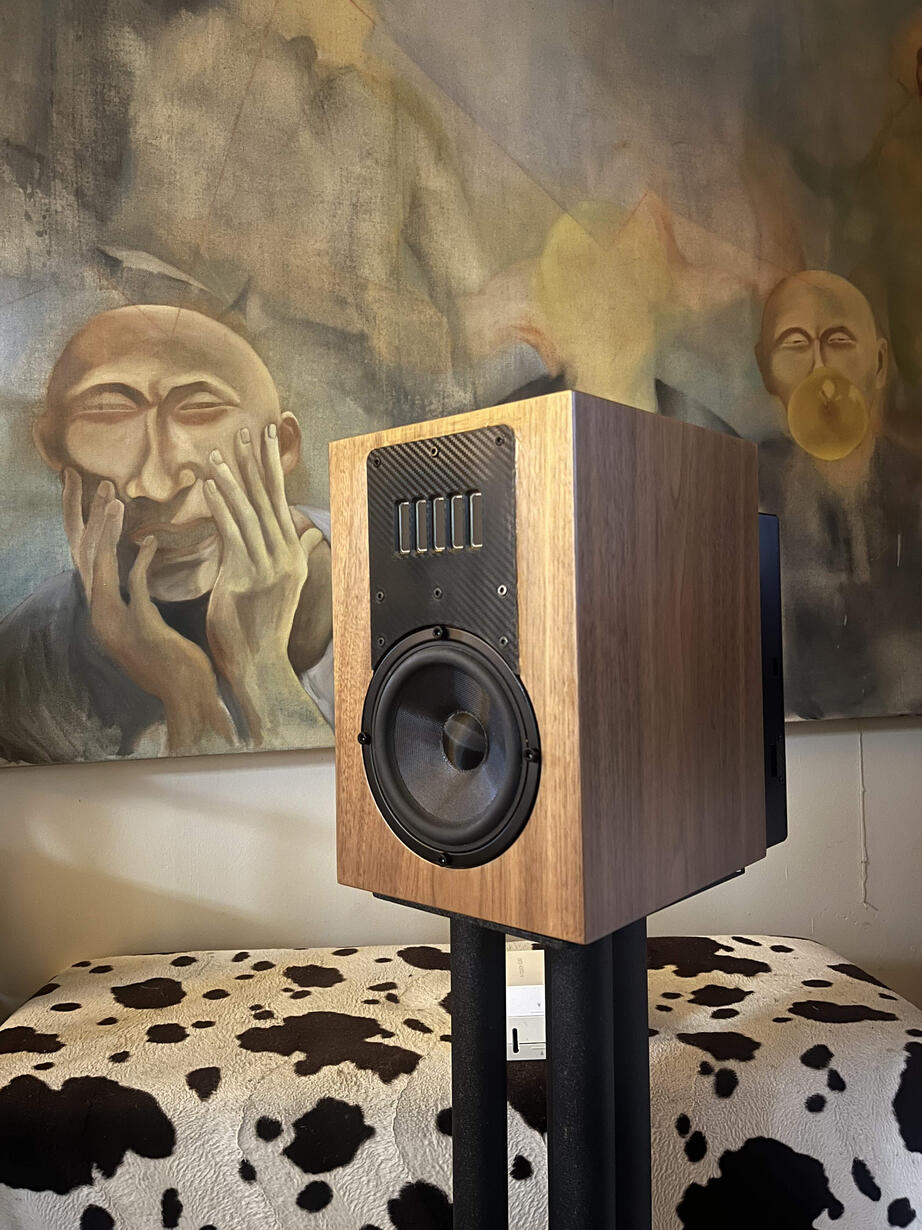
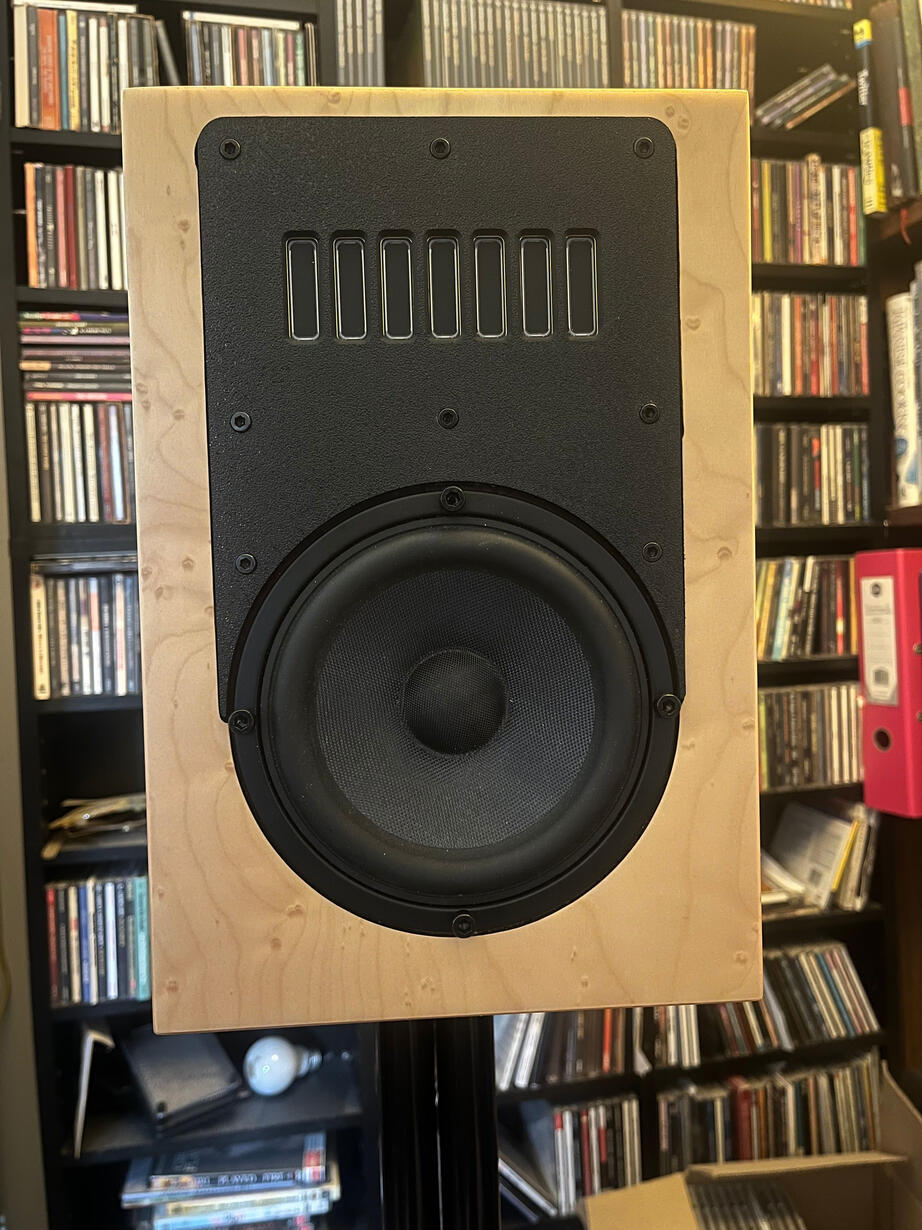
The company is now seeking engagement with loudspeaker manufacturers, DSP platform providers, acoustic technology companies, manufacturing partners, and potential licensees interested in evaluating the DaS platform.
“The DaS array approach gives us a practical way to manage acoustic behaviour at the source, before the room dominates the listening experience."
.. Joe Hayes, InventorPatent FolioChinese Patent No. ZL 201410598999.4
Japanese Patent No. 5845269
Japanese Patent No. 6110923
South Korean Patent No 10-1974664
United States Patent No. 9,124,968
United States Patent No. 9,641,923
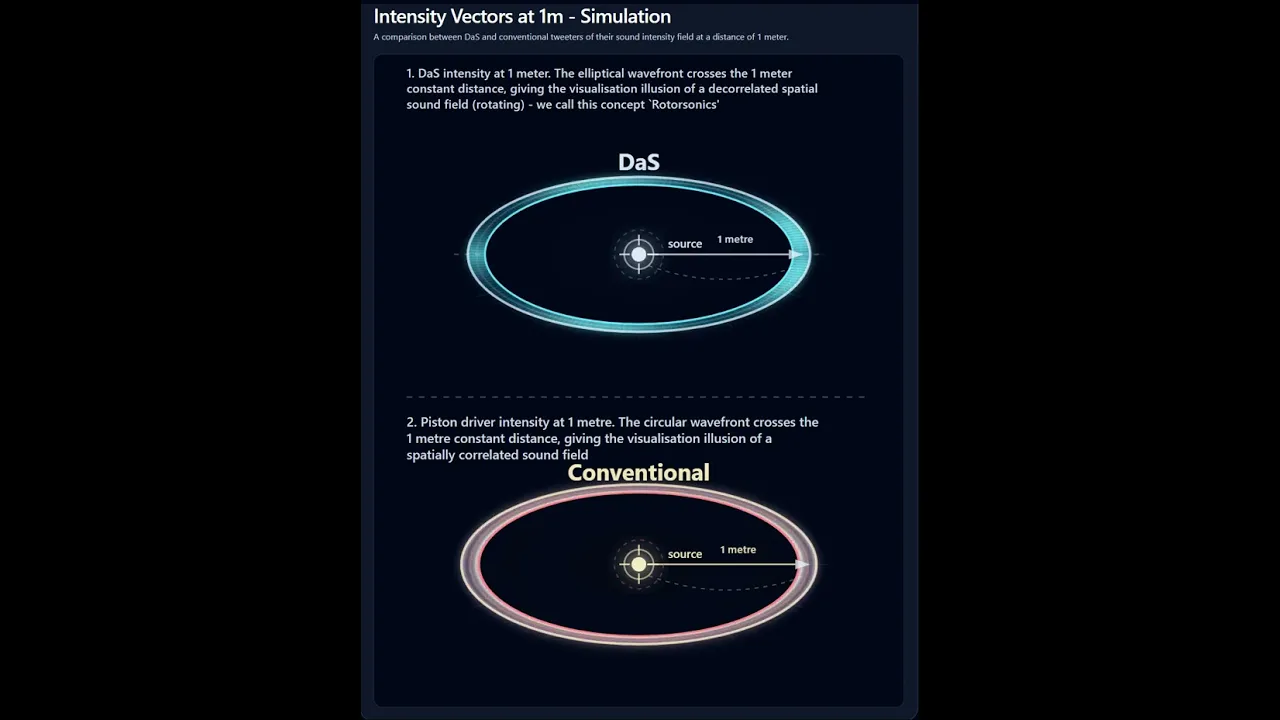
Precision-engineered components featuring DaS active delay technology for audiophiles and pro sound builders.The technology can be both scaled up or scaled down.To scale up - add rows of DaS Arrays stacked vertically, or use larger drivers driven by the DaS algorithm.To scale down - use smaller drivers.A System on a Chip (SOC) solution would allow time diversion multiplexed software driven solutions creating very low cost hardware offerings.
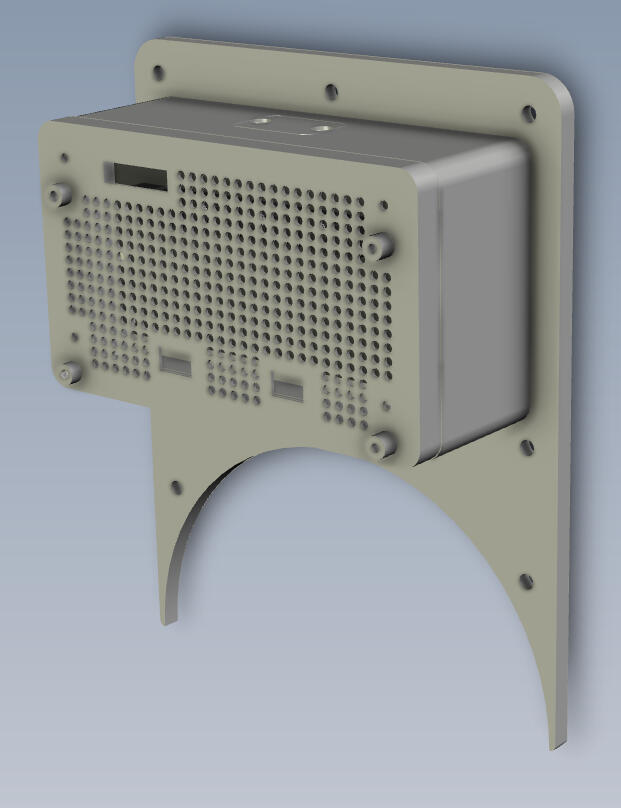
| Component | Source | Operating Range | Description |
|---|---|---|---|
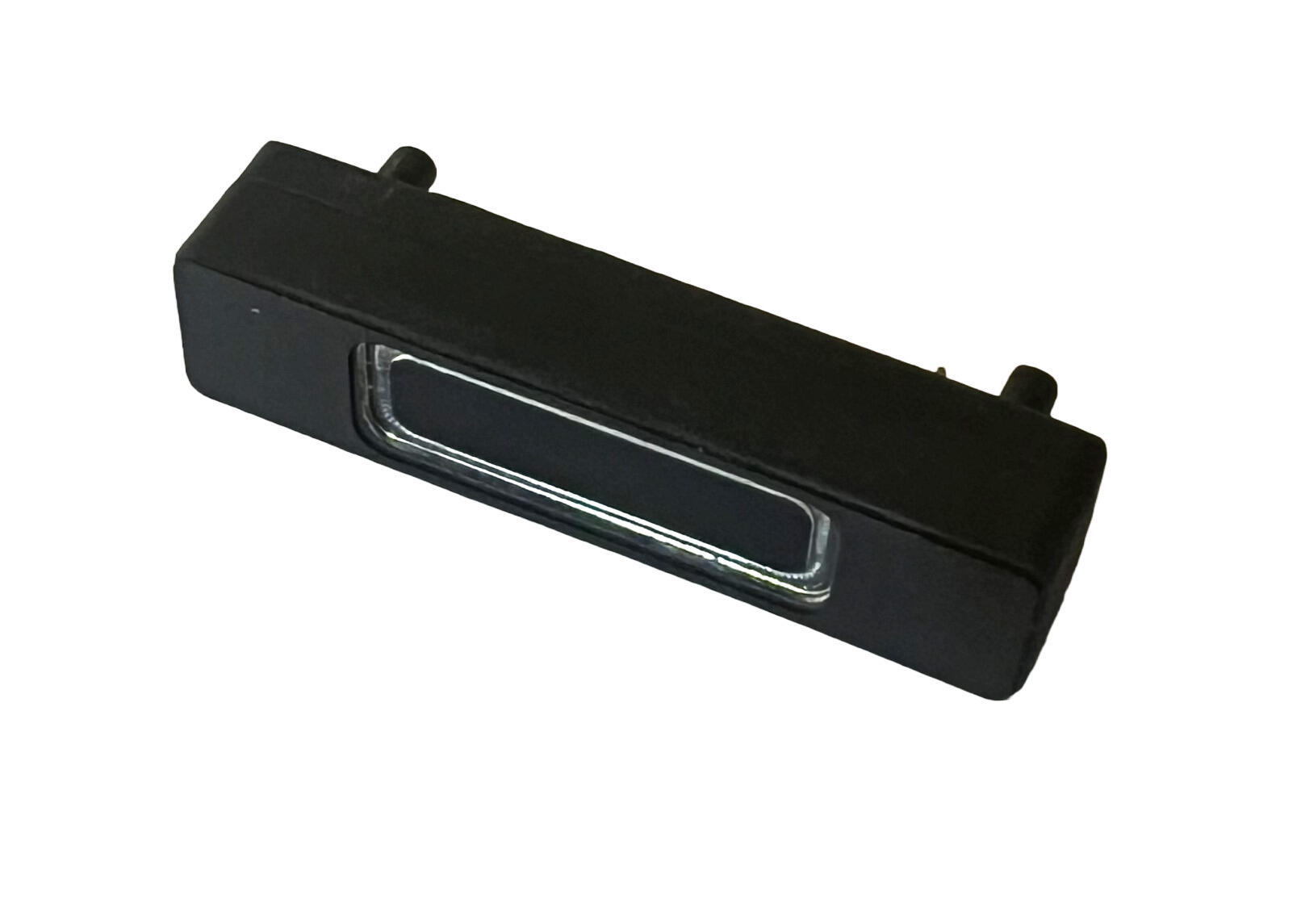
| DaS Array Driver | Seltech International | 700 Hz to 30 kHz | A through Hole mounted loudspeaker enclosure containing one tweeter driver |
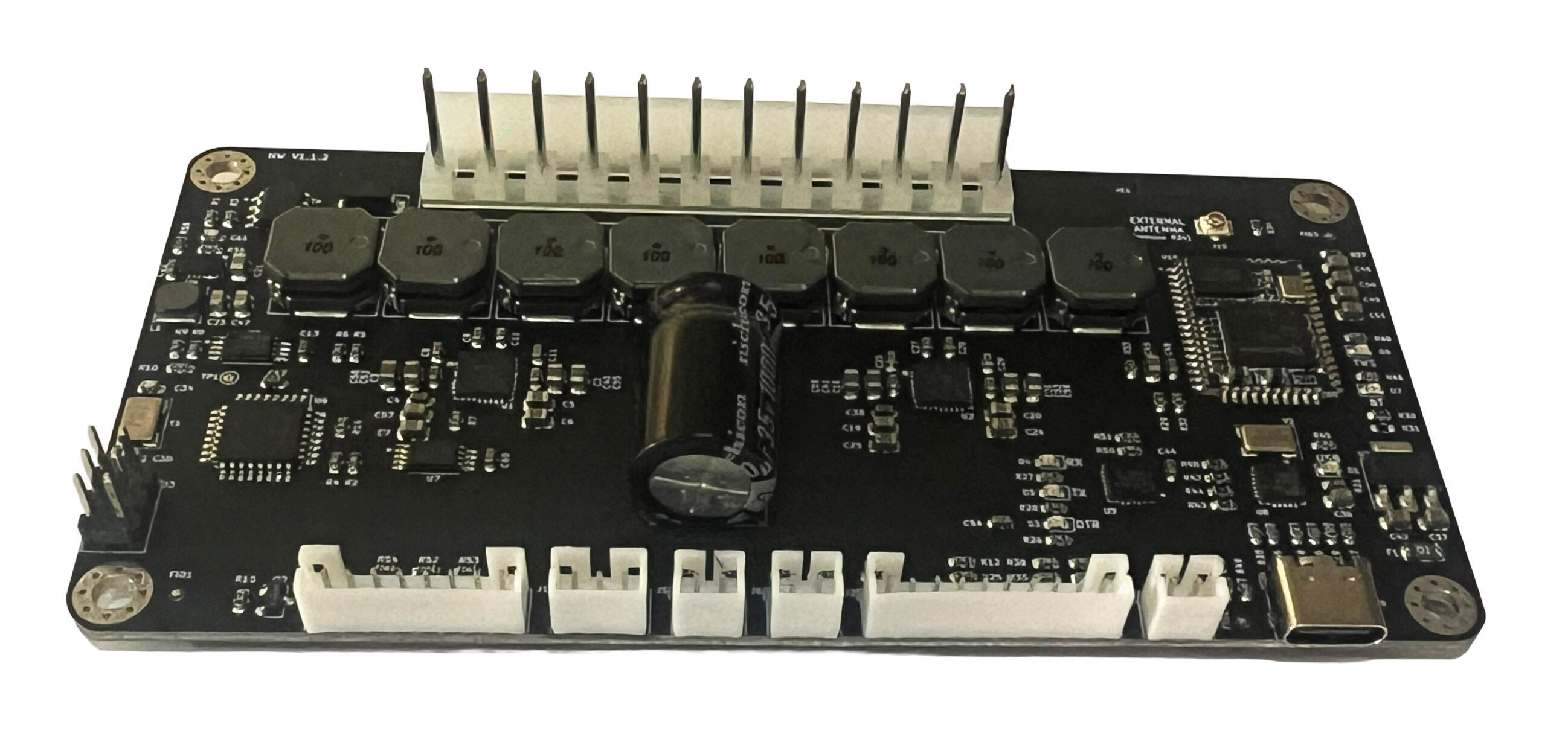
| AIO438 Smart Amp Driver PCB | NewAudio Pty Ltd | 0 to 60 degree Celsius, 6 to 24.6 VDC, 7A | Contains 2 x TAS5825M, Bluetooth module and ADC, on-board Bluetooth antenna (with an option to external connect an antenna), interfacing for rotary encoder/push button switch (volume, power on/off, Bluetooth pairing) and analogue input, TWS switch interface, extra EQ switch interface, and Bluetooth/Alarm/On LED interfaces. |
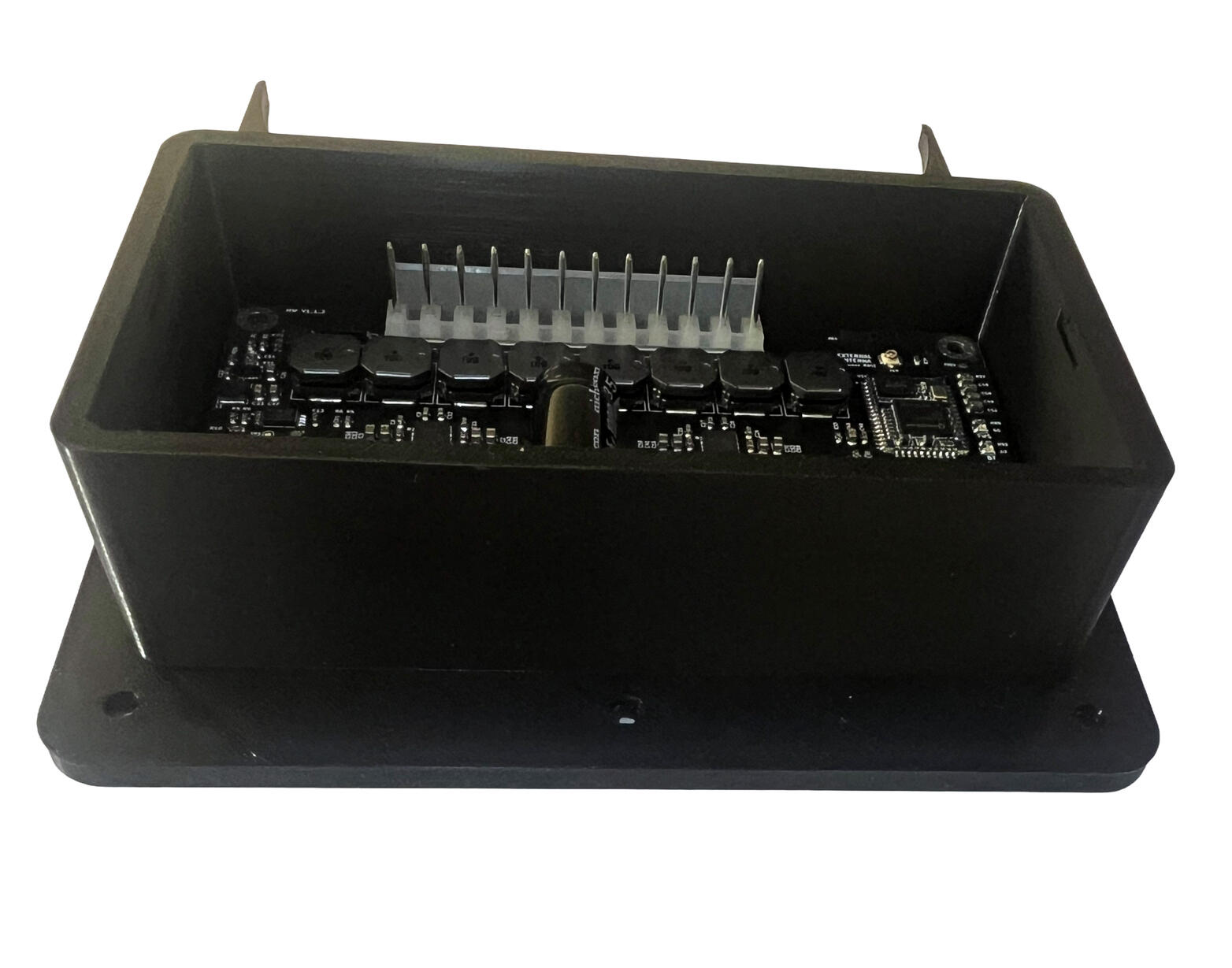
| DaS5 Array Tweeter Assembly | NewAudio Pty Ltd | 1,900 Hz to 30 kHz | The tweeter bezel assembly contains everything except the analogue signal input and the power supply hardware. Input is either a Bluetooth/Analogue combination with an auxiliary I2S output or it can be set to receive I2S input only. The DaS5 is unique in that it has one spare TAS5825M amplification channel offering 38 watt RMS for driving a woofer. |
| DaS7 Array Tweeter Assembly | NewAudio Pty Ltd | 1,900 Hz to 30 kHz | The tweeter bezel assembly contains everything except the analogue signal input and the power supply hardware. Input is either a Bluetooth/Analogue combination with an auxiliary I2S output or it can be set to receive I2S input only. The I2S output is used to drive external bass /mid amplification. |
| Software | NewAudio Pty Ltd | - | Used to integrate into your design giving bi-quad control of bass driver (baffle loading) and overall equalisation, time alignment, and crossover shaping. Sets the turn on volume, minimum volume, and maximum volume settings. Offers both extra EQ (on switch - 2 biquads), and dynamic EQ (Level activated - 4 biquads) |
Copyright by Acoustic3D Holdings Ltd, an Intellectual Property Holdings Company trading under NewAudio Pty Ltd, a wholly owned subsidiary.